KarmaVaani
Festival · February–March
Maha Shivaratri
The great night of Shiva, observed with fasting, vigil, and devotion.
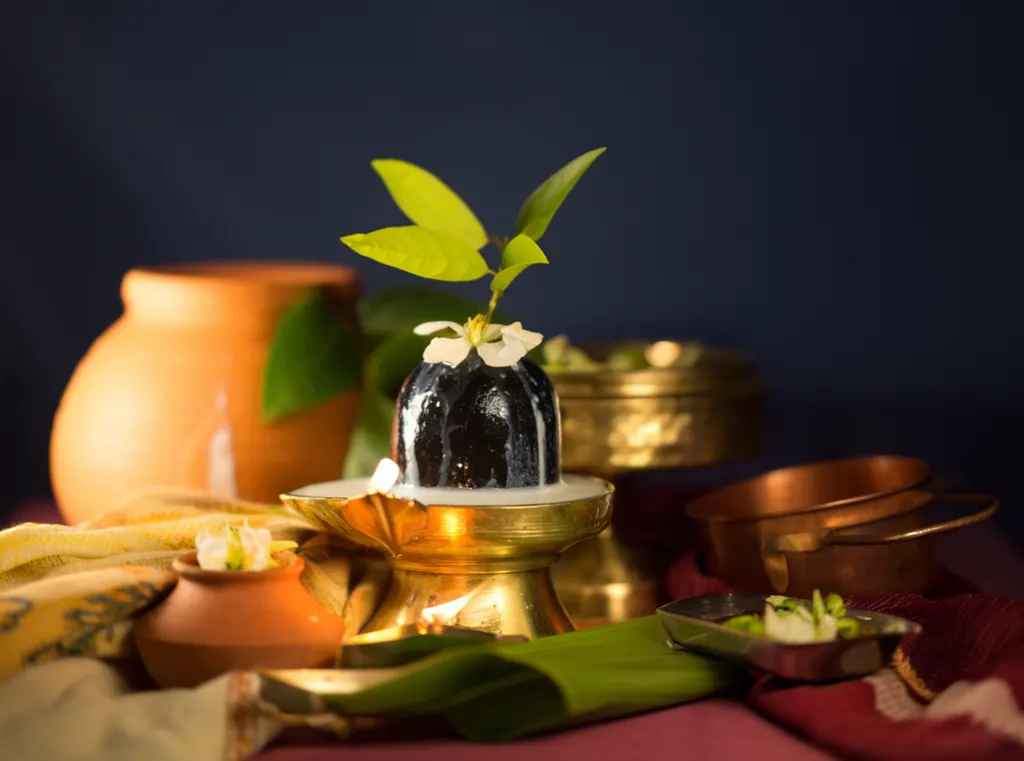
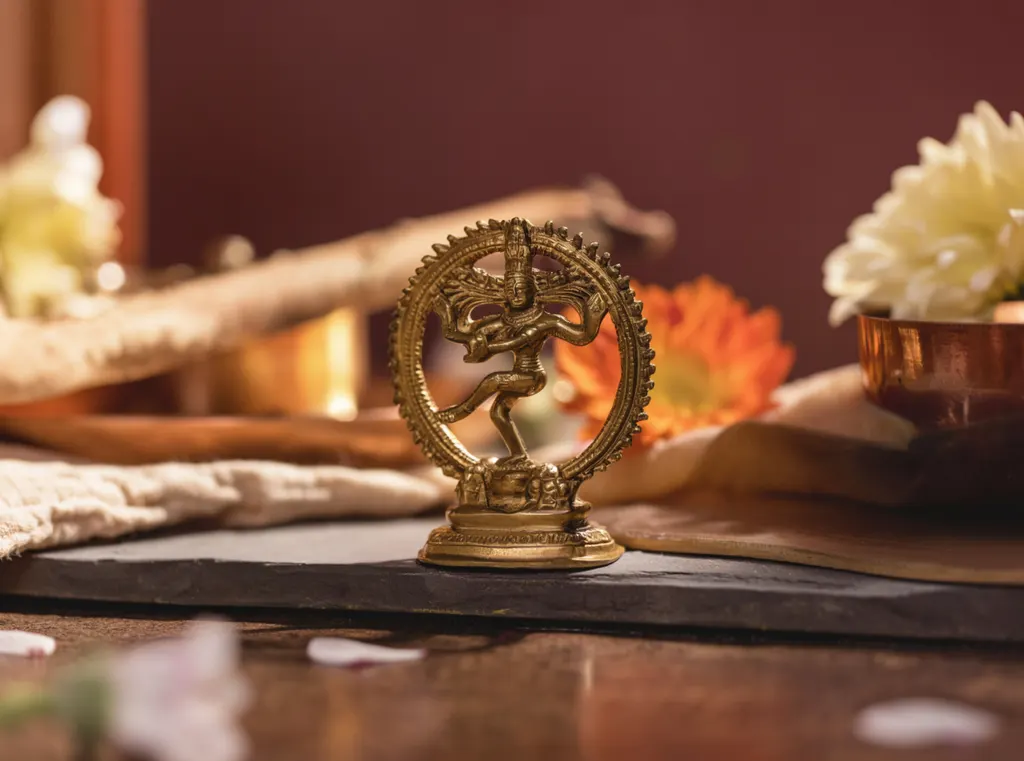
Maha Shivaratri is the most sacred night dedicated to Shiva, kept with fasting and an all-night vigil of chanting, meditation, and the offering of water, milk, and bilva leaves to the Shiva linga. It is said to mark the night Shiva performed the cosmic dance of creation, preservation, and dissolution. Devotees observe it as a night of stillness and inner awakening.
Why it is kept
The great night of Shiva falls on the Krishna Chaturdashi of Phalguna (Magha in the Amanta reckoning). It is kept with fasting, worship through the night and remembrance of Shiva as the stillness beneath all movement.
Step by step
How to observe it
Fast through the day
Devotees fast from sunrise, either without water or taking only fruit and milk, according to health and family custom.
Abhisheka of the Shivalinga
The linga is bathed with water, milk, curd, honey and ghee, then offered bilva leaves, dhatura and white flowers.
Keep vigil through the four prahars
The night is divided into four watches, and worship is repeated in each. Many keep awake chanting Om Namah Shivaya.
Break the fast the next morning
The fast is broken after sunrise on the following day, once the night’s worship is complete.
Customs differ between regions, communities and families. Where your family or temple has its own way, follow it.
Fasting
Fasting
A day-and-night fast, broken the next morning. Nirjala (without water) for those who can; fruit and milk for others.
Fasts should suit your health. Children, elders, pregnant women and anyone unwell or on medication should eat, or keep a lighter fast; that is the tradition, not an exception to it.
Traditions
- Fasting
- Night vigil (jagran)
- Abhishekam of the linga
- Chanting Om Namah Shivaya
Where to go
Temples to visit




पूजा सामग्री