KarmaVaani
Festival · August–September
Ganesh Chaturthi
Welcoming Ganesha, remover of obstacles, into homes and public pandals.
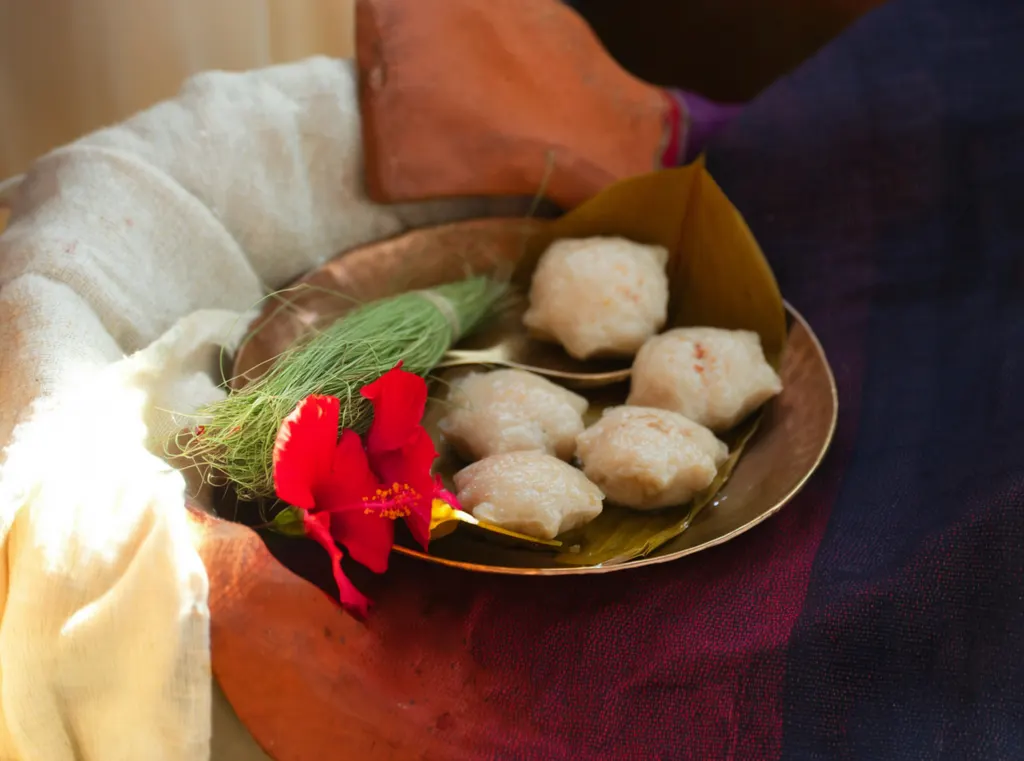
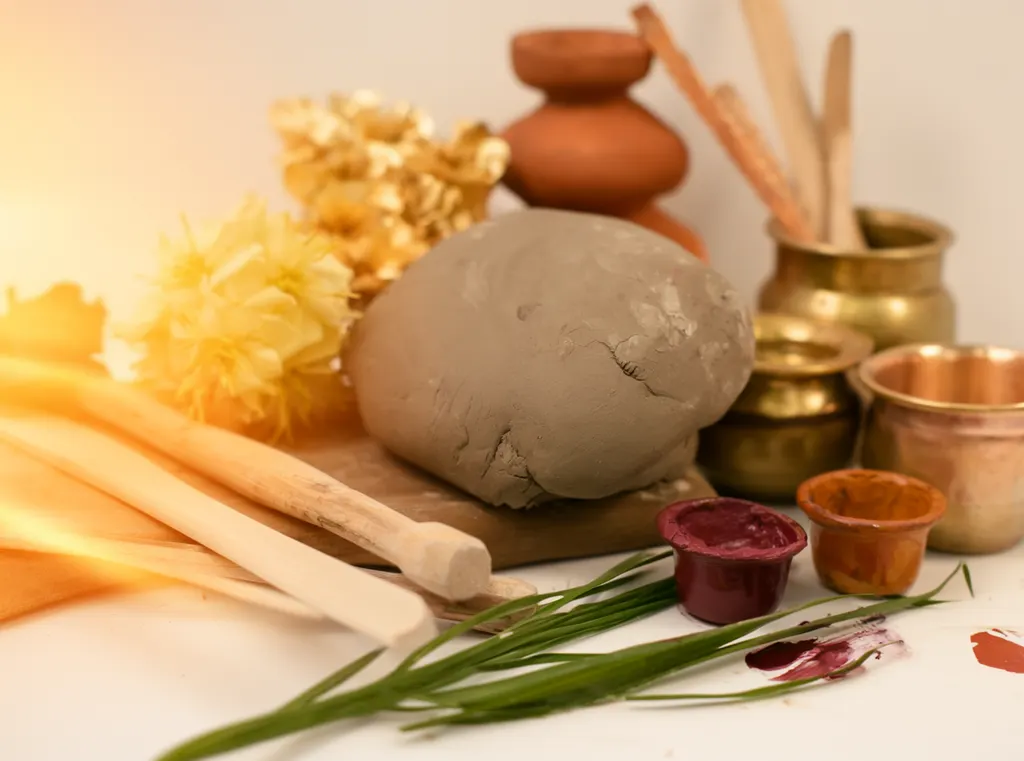
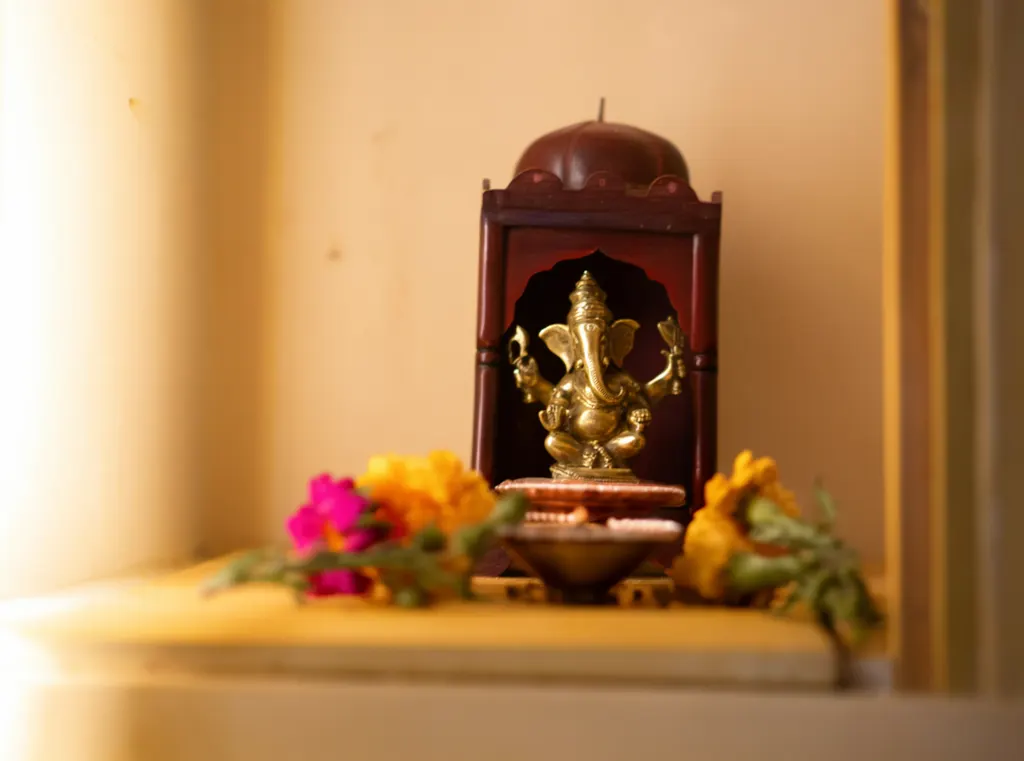
Ganesh Chaturthi celebrates the birth of Ganesha, the elephant-headed lord of beginnings and remover of obstacles. Clay images are installed in homes and grand pandals, worshipped for up to ten days, and then immersed in water (visarjan) amid song and procession. It is especially vibrant in Maharashtra.
Why it is kept
Ganesha’s birth is celebrated on the Shukla Chaturthi of Bhadrapada. He is welcomed into homes and public pandals and sent off days later in the visarjan, ending on Anant Chaturdashi.
Step by step
How to observe it
Install the murti
A clay image is installed and invoked (prana pratishtha), usually at midday, the hour associated with his birth.
Worship morning and evening
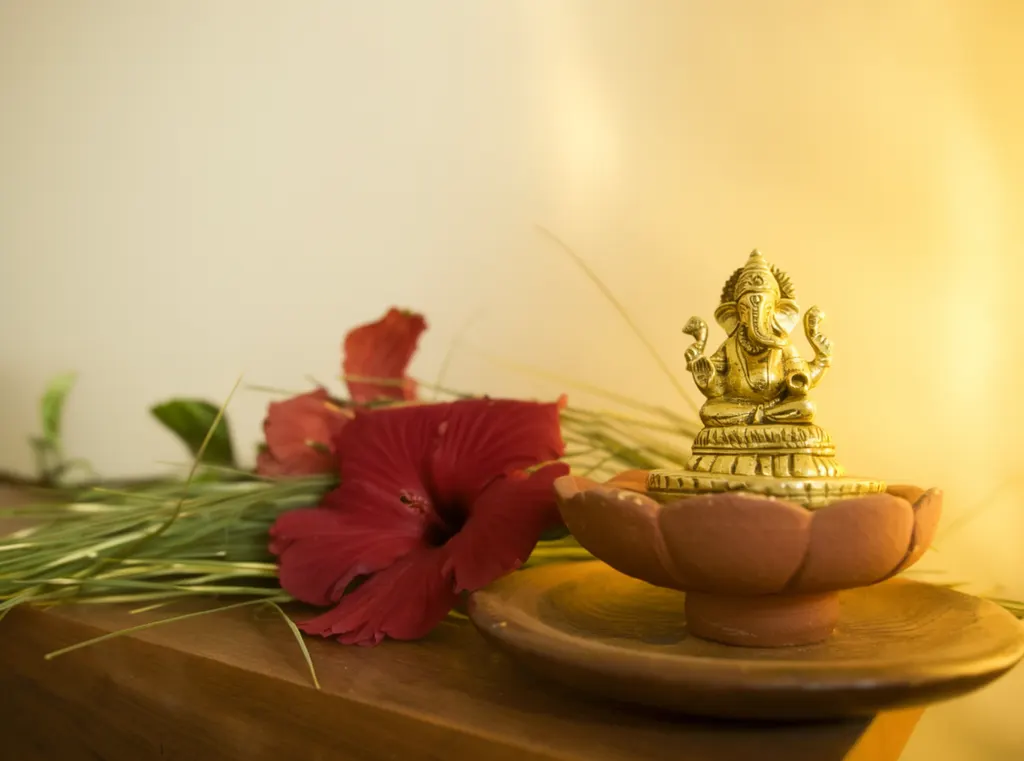
Twenty-one durva grass blades, red flowers and modaks are offered, with aarti twice a day.
Visarjan
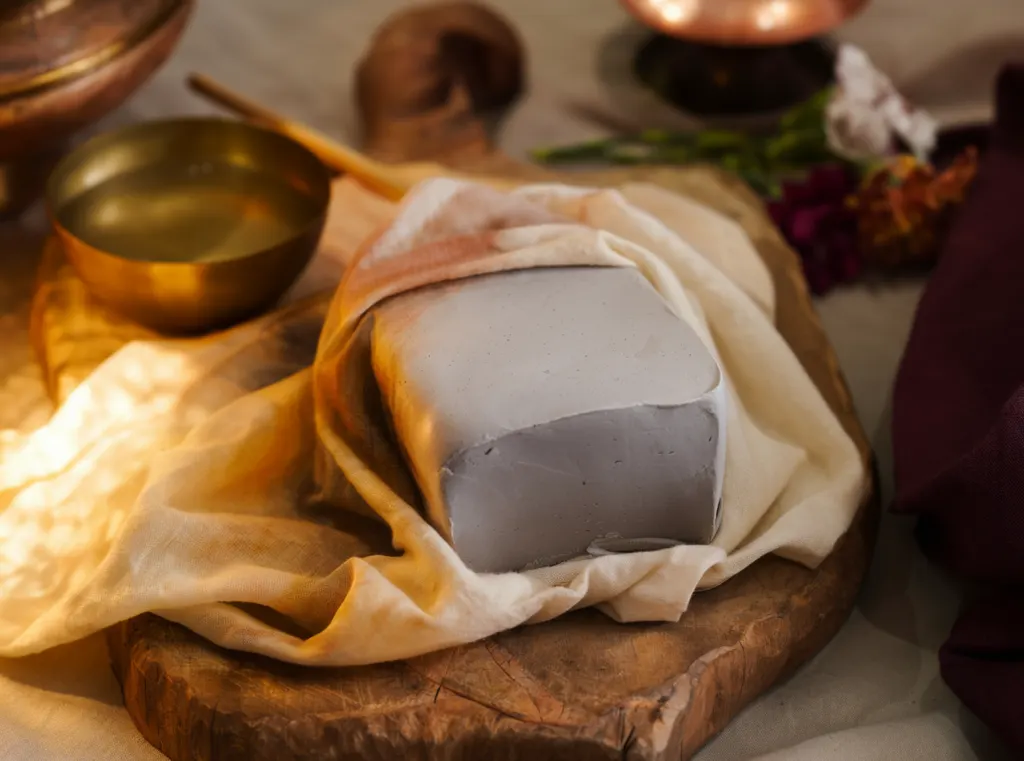
After one and a half, three, five, seven or ten days, the image is immersed. Many now use clay murtis and immerse them in a tub at home to protect rivers and lakes.
Avoid seeing the moon
By tradition, the moon is not looked at on the night of Ganesh Chaturthi.
Customs differ between regions, communities and families. Where your family or temple has its own way, follow it.
Fasting
Fasting
Some fast until the midday installation; there is no general rule.
Fasts should suit your health. Children, elders, pregnant women and anyone unwell or on medication should eat, or keep a lighter fast; that is the tradition, not an exception to it.
Traditions
- Installing clay murtis
- Modak offerings
- Aarti
- Visarjan immersion
Where to go
Temples to visit

पूजा सामग्री