KarmaVaani
Vrat · Twice a month
Ekadashi
Also known as Gyaras
The eleventh day of each lunar fortnight, kept with a fast in devotion to Vishnu.
Ekadashi comes twice in every lunar month, and each of the twenty-four has its own name and story, from Nirjala in the heat of Jyeshtha to Mokshada, the day the Bhagavad Gita was spoken. It is the most widely kept fast in Hindu practice. Smarta and Vaishnava traditions sometimes keep it on different days; the calendar shows both.
Why it is kept
Grains are set aside for a day so the mind can be turned towards Vishnu. The fast is completed by breaking it, parana, on Dwadashi.
Step by step
How to observe it
Begin the evening before
Many eat a simple meal before sunset on Dashami and avoid grains from then on.
Fast on Ekadashi
The fast is kept from sunrise, without grains or beans. Some keep it without water; others take fruit, milk and fasting foods.
Worship Vishnu
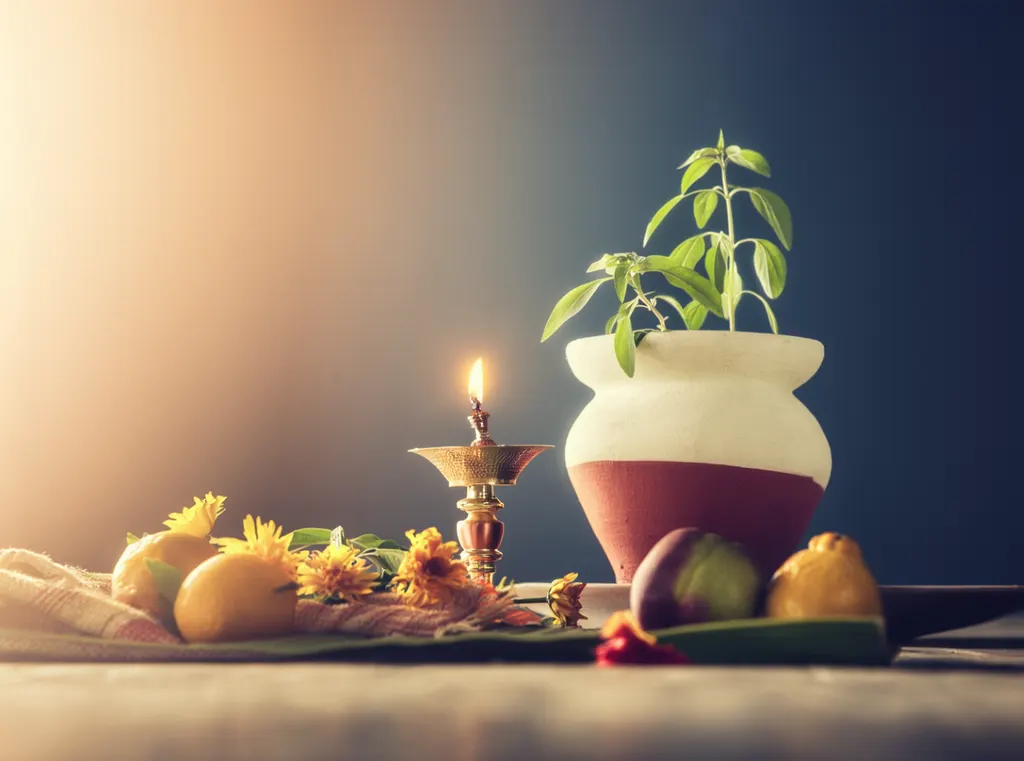
Tulsi leaves, plucked the day before, are offered with a lamp. The Vishnu Sahasranama or the Gita is read.
Break the fast in Dwadashi
The fast is broken the next morning, after sunrise and before Dwadashi ends. Panchangs give the window for parana.
Customs differ between regions, communities and families. Where your family or temple has its own way, follow it.
Fasting
Fasting
No grains or beans from sunrise on Ekadashi to the parana on Dwadashi. Nirjala for those able; fruit and milk for others. Children, elders and the unwell are exempt.
Fasts should suit your health. Children, elders, pregnant women and anyone unwell or on medication should eat, or keep a lighter fast; that is the tradition, not an exception to it.
Traditions
- Fasting from grains
- Vishnu puja and tulsi
- Night vigil and kirtan
- Breaking the fast in Dwadashi
Where to go
Temples to visit


पूजा सामग्री