 KarmaVaani
Festival · September–October
Dussehra
Also known as Vijayadashami
The day of victory, when good triumphs over evil.
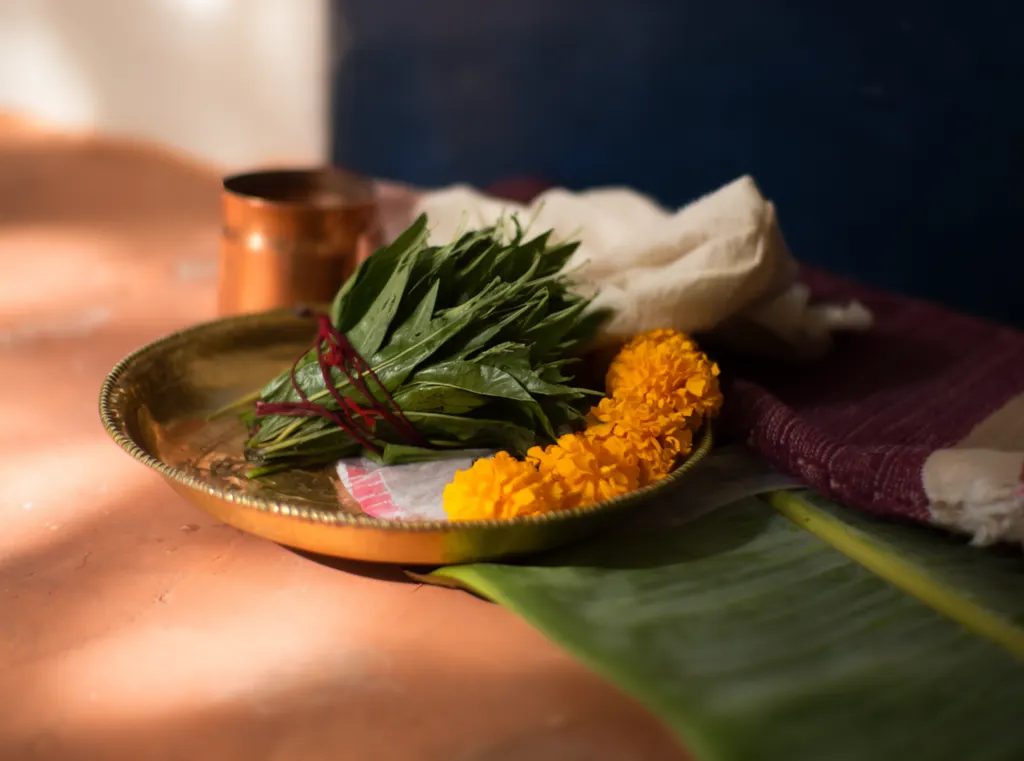
Dussehra, or Vijayadashami, celebrates the victory of good over evil, marking both Rama's defeat of Ravana and Durga's slaying of Mahishasura. Effigies of Ravana are burned in the north, while the south and east honour the conclusion of Navaratri. It is considered highly auspicious for new beginnings.
Why it is kept
Vijayadashami, the tenth day after Navaratri, celebrates Rama’s victory over Ravana and Durga’s victory over Mahishasura. It is held to be an auspicious day to begin anything new.
Step by step
How to observe it
Ramlila and Ravana Dahan
In the north, the Ramlila performances end with effigies of Ravana, Meghanada and Kumbhakarna burned at dusk.
Shami puja and exchange of leaves
The shami tree is worshipped and its leaves, called “gold”, are exchanged with family and friends in Maharashtra and Karnataka.
Ayudha and Saraswati puja
Tools, books, vehicles and instruments are worshipped, often on the day before, and children begin their learning (vidyarambham).
Immersion in Bengal
Durga Puja ends with the immersion of the Goddess, and married women play sindoor khela.
Customs differ between regions, communities and families. Where your family or temple has its own way, follow it.
Fasting
Fasting
Not a fasting day; those who kept the Navaratri fast break it now.
Fasts should suit your health. Children, elders, pregnant women and anyone unwell or on medication should eat, or keep a lighter fast; that is the tradition, not an exception to it.
Traditions
- Burning of Ravana effigies
- Ramlila performances
- Ayudha puja
- New ventures